ICD and CRT Devices in China
Two device families that go beyond simple pacing: defibrillators for dangerous rhythms, and resynchronisation for heart failure.
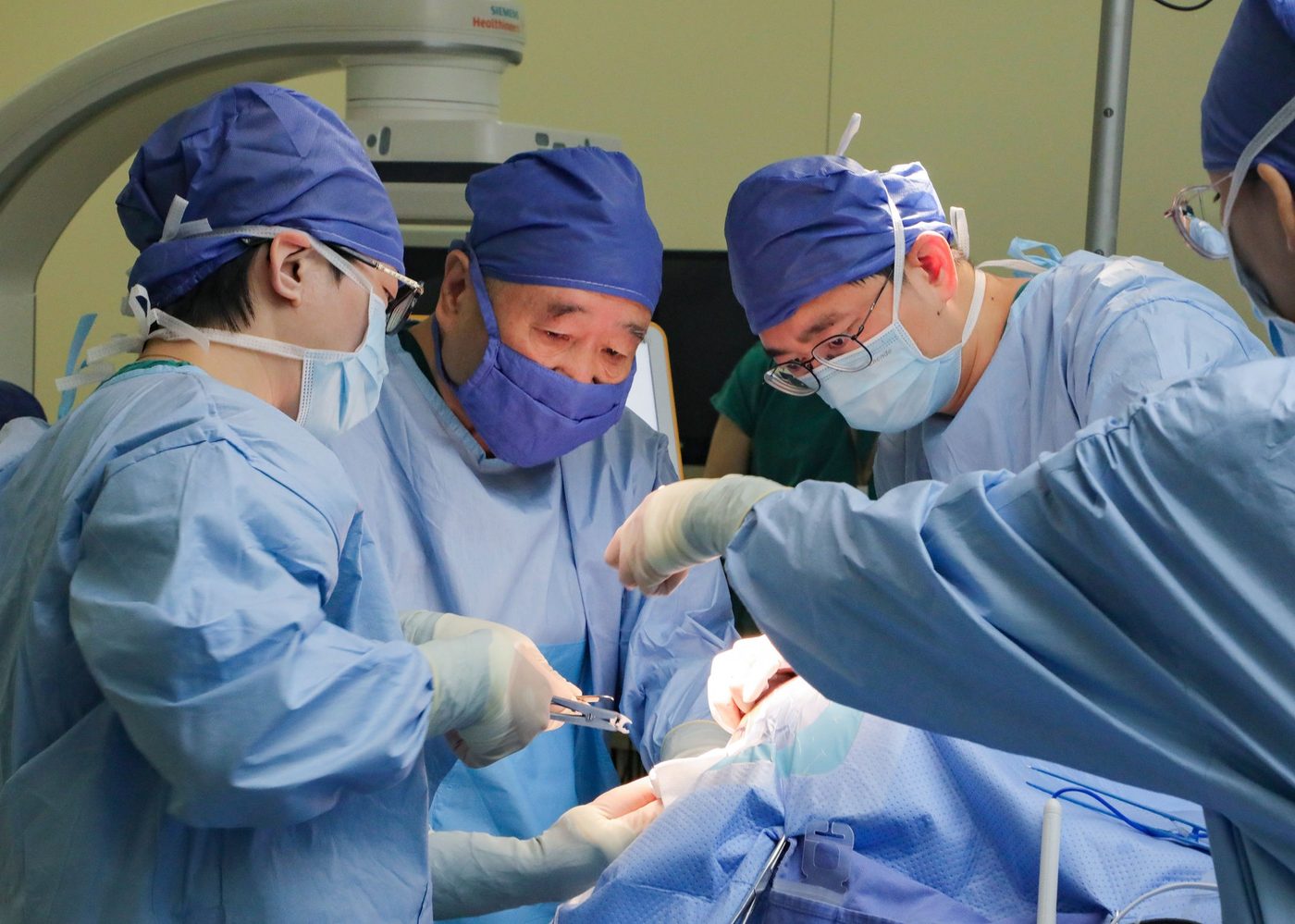
Two device families that go beyond simple pacing: defibrillators for dangerous rhythms, and resynchronisation for heart failure.
An ICD (implantable cardioverter-defibrillator) monitors the heart rhythm and delivers a shock if a dangerous ventricular arrhythmia occurs. It is used in patients at high risk of sudden cardiac death, often after a previous episode or with severely reduced heart function.
A CRT device (cardiac resynchronisation therapy) paces both ventricles in a coordinated way to improve pumping efficiency in heart failure with a widened QRS complex. CRT-D combines resynchronisation with defibrillation.
The technique is similar to pacemaker implantation: leads are passed through a vein to the heart, with an additional lead for the left ventricle in CRT. Testing of defibrillation thresholds, where applicable, is performed under sedation. Hospital stay is usually one to three nights.
These devices are not for everyone with heart disease. ICDs are indicated by ejection fraction, symptoms and arrhythmia history; CRT by heart failure class, ejection fraction and QRS duration. A device implanted outside those criteria exposes a patient to risk without proven benefit. Ask for the specific measurements that justify the recommendation.
Devices are interrogated periodically, and many transmit remotely. If the device delivers a shock, it must be assessed promptly — a shock can be appropriate therapy or a sign of a problem with the lead. Patients need a clear local plan for what to do, which is essential to arrange before travelling.
Infection, lead complications, inappropriate shocks, pneumothorax, and psychological impact from shocks. Infection of these devices is serious and usually requires complete removal.
Send your echocardiogram report, ECG and medication list. A medical assistant will arrange a device specialist review.
Request a consultation About the hospitalOther cardiac procedures at the same hospital.